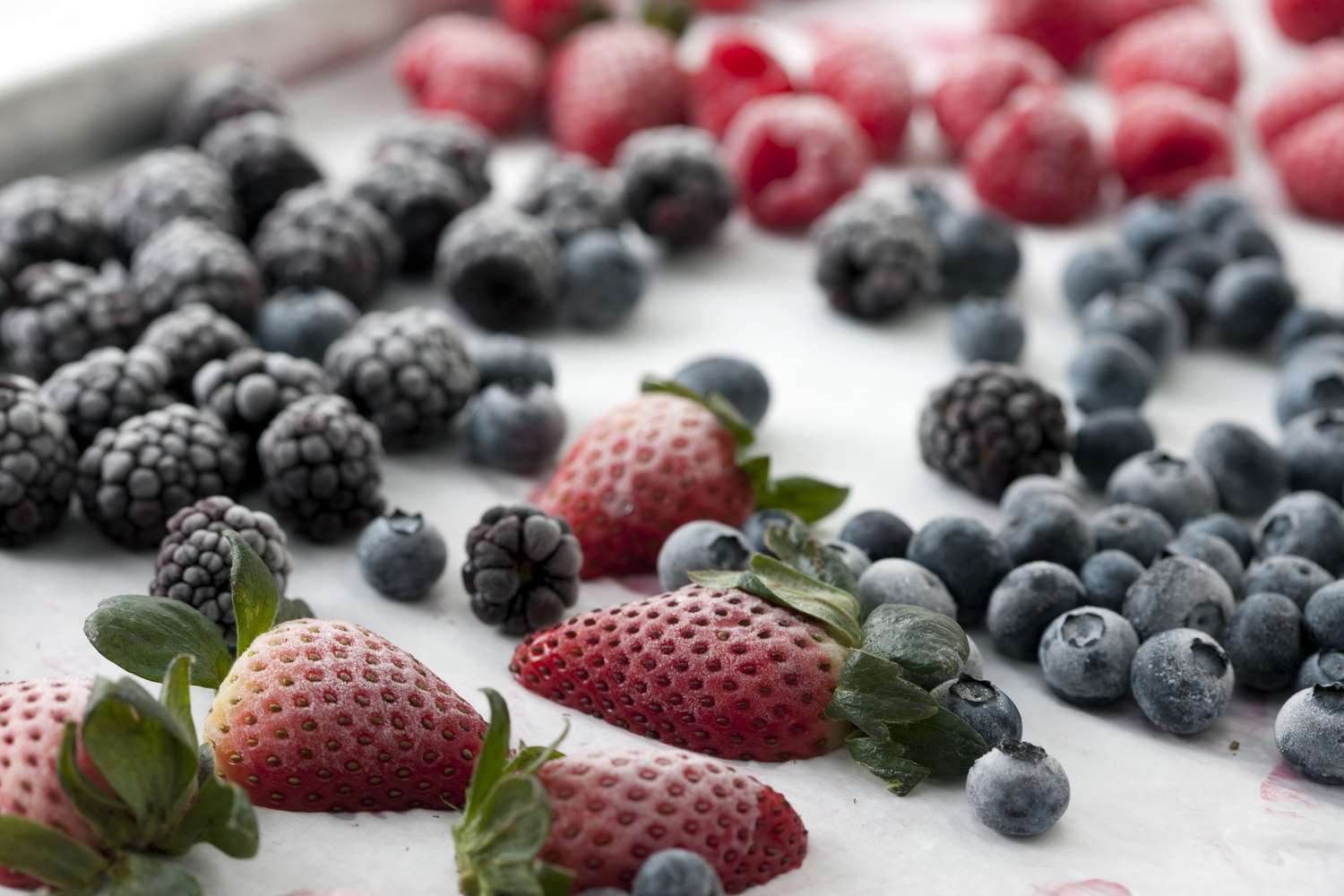
Freeze Berries Right: Tailored Methods for Every Berry Type
The vibrant hues and sweet-tart explosion of summer berries are one of nature's purest joys. From plump blueberries to delicate raspberries, these antioxidant-rich gems have a frustratingly short season. But what if you could bottle that sunshine and savor it year-round? The answer lies in mastering the art of how to freeze berries. It’s not just about tossing them in a bag; it's about understanding each berry's unique characteristics to preserve its flavor, texture, and nutritional goodness for smoothies, desserts, and countless culinary adventures.
Forget the one-size-fits-all approach. While the general principle to freeze berries remains consistent, the nuances of preparation and specific handling can make all the difference between a sad, watery mess and perfectly preserved fruit. Let's dive into tailored methods that ensure your frozen berry bounty is as delightful in December as it was in July.
Selecting Your Berry Bounty for Freezing Success
The journey to perfectly frozen berries begins even before they hit the freezer. The quality of your fresh berries directly impacts the quality of your frozen product. Here’s what to look for:
- Firmness and Plumpness: Choose berries that are firm to the touch and plump, indicating peak freshness and optimal moisture content. Soft, mushy, or shriveled berries are past their prime and won't hold up well to freezing.
- Vibrant Color: Look for bright, consistent coloring characteristic of the berry type. Dull or discolored patches can signify spoilage or immaturity.
- Fresh Aroma: Good berries should smell sweet and fruity, not sour, moldy, or odorless. A lack of aroma often means a lack of flavor.
- Optimal Size: When it comes to freezing, bigger isn't always better. Medium-sized berries, typically those with a diameter between 3/4 and 1 inch, are often the prime candidates. They tend to freeze more uniformly and retain their texture better than excessively large ones, which can become icy or lose their structure.
- Absence of Spoilage: Inspect for any signs of mold, bruising, or sticky residue. One bad berry can quickly affect the entire batch.
The Golden Rule: Prepare Berries (Almost) Dry
This is perhaps the most crucial step, especially for delicate, high-water content berries. The conventional wisdom of washing produce before storage doesn't apply here.
Do NOT wash your berries before freezing them!
Water expands significantly when it turns to ice. If you freeze berries while they're wet, the surface water will form large ice crystals that puncture the cell walls of the fruit. This leads to a mushy, watery texture and diminished flavor once thawed. For a comprehensive guide on this vital step, check out our article:
Never Wash Berries Before Freezing: Pro Tips for Perfect Preserving.
So, how do you handle potentially dirty berries?
- Gentle Wipe: For most fresh berries, a gentle wipe with a dry cloth or paper towel is sufficient to remove any dust or superficial dirt.
- Quick Rinse & Pat Dry: If your berries are noticeably dirty, a very quick rinse under cool water is permissible, but it *must* be followed by thorough patting dry with paper towels until absolutely no moisture remains on the surface. Air-drying for an hour or two on a clean cloth can also help.
- Hull Strawberries: For strawberries, gently hull them (remove the green leafy top) *before* freezing, but again, ensure they remain dry.
Tailored Freezing Methods for Different Berry Types
While the "flash freeze" method is generally universal, the initial preparation for various berries can differ.
High Water Content & Delicate Berries (Strawberries, Raspberries)
These berries are the most susceptible to turning into a watery mess if not handled correctly.
- Strawberries: Hull them as described above. If they are very large, you might consider slicing them into halves or quarters for more even freezing and thawing. Spread them in a single layer on a baking sheet lined with parchment paper or wax paper, ensuring they don't touch.
- Raspberries: These are incredibly delicate. Handle them as little as possible. Carefully spread them in a single layer on a parchment-lined baking sheet.
Flash Freeze: Place the baking sheet into your freezer for 2-4 hours, or until the berries are completely solid. This crucial step prevents them from clumping together in the storage container, allowing you to take out just the amount you need later.
Firmer, Robust Berries (Blueberries, Blackberries)
These berries are generally more forgiving due to their firmer skins and lower water content compared to their delicate counterparts.
- Blueberries: Often considered the easiest berry to freeze. Simply pick through them, removing any stems or questionable berries. No need to wash them unless they are visibly dirty (and then only with the quick rinse and pat dry method). Spread in a single layer on a parchment-lined baking sheet.
- Blackberries: Remove any attached stems or leaves. Similar to blueberries, spread them in a single layer on a parchment-lined baking sheet. While the context mentions skins can become tough, for most culinary applications like smoothies, jams, pies, or sauces, freezing blackberries whole is perfectly acceptable and widely practiced. If you're planning to eat them raw and thawed, and are particularly sensitive to texture, you might consider puréeing them before freezing, but for general use, whole freezing is standard.
Flash Freeze: Just like with delicate berries, flash freezing is key. Place the baking sheets in the freezer for 2-4 hours until firm.
Unique Cases (Cranberries, Seedy Berries)
Certain berries benefit from slightly different considerations.
- Cranberries: These firm, tart berries are naturals for freezing. They usually require minimal cleaning; simply pick out any soft ones or stems. Since they are almost always cooked (into sauces, muffins, etc.), their firm structure holds up beautifully to freezing whole. Spread them in a single layer on a baking sheet and flash freeze. You can wash them *just before* you're ready to use them.
- Berries with a Large Number of Seeds: For berries like mulberries or certain wild varieties where the seeds might be a textural nuisance in a finished product (e.g., a smooth jam or coulis), consider processing them first. Crush or purée the berries, then strain to remove the seeds. Freeze the resulting pulp or juice in ice cube trays or small freezer-safe containers.
Mastering the Freezer: Storage & Sweetening
Once your berries are flash-frozen, it's time for long-term storage.
Optimal Storage Practices
- Transfer to Airtight Containers: After flash-freezing, immediately transfer the solid berries into heavy-duty freezer bags or rigid freezer-safe containers.
- Remove Air: Air is the enemy of frozen food, leading to freezer burn and flavor degradation.
- Vacuum Sealer: If you have access to a vacuum sealer, this is by far the best method for removing air and extending the shelf life of your frozen berries significantly.
- Manual Air Removal: If using freezer bags, press out as much air as possible before sealing. You can also use a straw to suck out the remaining air right before zipping the bag closed.
- Dedicated Storage: Ideally, use plastic freezer bags or containers solely dedicated to freezing berries. This helps prevent any transfer of odors or flavors from other foods in your freezer.
- Label and Date: Always label your containers with the type of berry and the date it was frozen. Most berries maintain optimal quality for 8-12 months in a good freezer.
The Sweetener Advantage
While not strictly necessary for all uses, adding sugar or another sweetener can significantly improve the quality of some frozen berries, especially if you plan to eat them thawed and raw, or use them in desserts where texture and vibrant color are paramount. As our reference points out, "we’re not really ‘freezing them.’ What we’re doing is taking them from a state of ripeness and locking in the freshness and flavor by adding sugar or another type of sweetener." This helps prevent them from becoming dry, tasteless, or discolored.
For an in-depth look at this technique, explore:
Lock in Summer Flavor: The Secret to Freezing Berries with Sweetener.
Common methods include:
- Dry Pack with Sugar: For every quart of berries, gently sprinkle 1/2 to 3/4 cup of sugar. Toss gently to coat, then pack into containers. The sugar draws out some moisture, creating a protective syrup.
- Syrup Pack: Create a light syrup (e.g., 2 cups sugar to 4 cups water). Cool completely. Pack berries into containers and pour the syrup over them, leaving headspace.
This method is particularly beneficial for strawberries and raspberries, helping them retain their vibrant color, firm texture, and fresh flavor upon thawing.
Conclusion
Freezing berries doesn't have to be a complicated task. By understanding the simple, tailored methods for each type of berry – from careful selection and avoiding pre-washing to the crucial flash-freeze and smart storage – you can capture the essence of summer and enjoy its bounty all year long. Whether you're whipping up a smoothie, baking a pie, or simply craving a taste of sunshine, your perfectly preserved frozen berries will be ready to transform your culinary creations. So go ahead, embrace the harvest, and confidently freeze berries to savor their deliciousness whenever the mood strikes!