Lock in Summer Flavor: The Secret to Freezing Berries with Sweetener
There's nothing quite like the vibrant burst of flavor from a perfectly ripe summer berry. Sun-kissed and brimming with sweetness, these seasonal gems are a fleeting joy. But what if you could capture that quintessential summer taste and enjoy it year-round? The good news is, you absolutely can! Freezing berries is a fantastic way to extend their shelf life, making them readily available for smoothies, pies, sauces, and countless other delightful creations. However, simply tossing them in a bag often leads to lackluster, icy results. The true secret to preserving their sweet, juicy essence lies in a technique many overlook: freezing berries with sweetener.
This comprehensive guide will walk you through the nuanced art of freezing berries, focusing on how adding sugar or an alternative sweetener can make all the difference, transforming your frozen bounty from a watery disappointment into a flavorful staple. Prepare to unlock a world where summer goodness is always just a freezer door away!
Why Sweeten Your Frozen Berries? It's More Than Just Taste
When we talk about freezing berries, we're not just aiming to turn them into solid ice. Our goal is to "lock in" their freshness and flavor, preventing them from becoming dry, mushy, and tasteless once thawed. This is where the magic of sweetener comes into play. Adding sugar or another sweetening agent isn't just about enhancing flavor; it plays a critical role in preserving the berry's structure and taste profile.
Here's why incorporating sweetener is a game-changer for freezing berries:
*
Prevents Dehydration and Flavor Loss: Berries are largely water. When water freezes, it forms ice crystals that can rupture cell walls, leading to a mushy texture and a significant loss of natural flavor when thawed. Sweeteners, particularly sugar, create an osmotic effect, drawing out some of the internal moisture and replacing it with a sugar solution. This reduces the amount of free water available to form large ice crystals, thus minimizing cellular damage.
*
Maintains Texture and Firmness: By interfering with ice crystal formation, sweeteners help maintain a firmer, more desirable texture in your frozen berries. They won't turn into a completely fresh berry upon thawing, but they'll be much closer to their original integrity than unsweetened, frozen counterparts.
*
Enhances Natural Sweetness: While the primary benefit is structural, the added sweetener, of course, boosts the natural sweetness of the berries, making them even more delicious for your future culinary endeavors.
*
Versatility in Sweeteners: While granulated sugar is traditional, you can experiment with alternatives like honey, maple syrup, or even sugar substitutes like stevia or erythritol. Each will impart a slightly different flavor and texture, so choose what best suits your dietary needs and taste preferences. Remember, liquid sweeteners like honey or maple syrup will add moisture, so adjust quantities and preparation accordingly.
Ultimately, by understanding the science behind why sweetener works, you're not just freezing berries; you're *preserving* them, ensuring that their vibrant taste and appealing texture are maintained for months to come.
Selecting the Prime Candidates for Freezing
The journey to perfectly frozen berries begins long before they hit the freezer. The quality of your fresh berries directly impacts the quality of your frozen yield. To ensure you're locking in the best possible flavor, follow these selection guidelines:
*
Look for Peak Condition: Choose berries that are plump, firm, and brightly colored. They should smell fresh and fruity, not sour or fermented. Avoid any that are soft, shriveled, moldy, or bruised.
*
Size Matters (Sometimes): While bigger isn't always better, for freezing, medium-sized berries (roughly 3/4 to 1 inch in diameter) are often prime candidates. They tend to have a good flesh-to-skin ratio and freeze more consistently than very large or very small berries.
*
Optimal Ripeness: Select berries that are fully ripe but not overripe. Overripe berries will be too soft and might become mushy even with careful freezing. Underripe berries lack the full flavor you're trying to preserve.
*
Special Considerations for Berry Types:
*
High Water Content Berries (Raspberries, Strawberries): These varieties are particularly prone to becoming a watery mess if not handled correctly. It’s crucial that they are *dry* before freezing. For a deep dive into this, check out our guide on
Never Wash Berries Before Freezing: Pro Tips for Perfect Preserving.
*
Berries with Inedible or Tough Skins (Blackberries, Cranberries): While you *can* freeze these whole, their skins can become tough and unpleasant after thawing. For best results, consider halving or even lightly crushing them before freezing, especially if you plan to use them in recipes where skin texture is noticeable.
*
Berries with Many Seeds (Raspberries, Blackberries): If you prefer to avoid the seeds in certain applications (like smooth sauces or purées), consider crushing these berries and straining them before freezing. This allows you to freeze a seedless pulp, ready for use.
By being selective about your fresh produce, you're setting the foundation for a freezer full of delicious, high-quality berries.
Your Step-by-Step Guide to Freezing Berries with Sweetener
Ready to transform your summer bounty into year-round joy? Follow these steps for perfectly frozen, sweetened berries.
Prepping Your Berries: The "No-Wash" Rule and Exceptions
This is a critical step often misunderstood. For most berries, especially delicate ones like raspberries and strawberries, you should generally *not wash them before freezing*. Excess water clinging to the berries will turn into ice crystals, leading to freezer burn and a mushy texture when thawed.
*
The Ideal Scenario: If your berries are clean (e.g., store-bought organic, or freshly picked from a pristine patch), simply wipe off any dust or light dirt with a clean, dry cloth.
*
When Washing is Necessary: If your berries are visibly dirty, give them a *very quick* rinse under cool water. Immediately after, spread them in a single layer on paper towels or a clean kitchen towel and pat them *thoroughly dry*. This means absolutely no visible moisture. Let them air dry for a bit if necessary.
*
Stem Removal: Remove any stems or leaves. For blackberries, gently pull off the small green caps.
For a detailed explanation of why and how to handle washing, or the lack thereof, before freezing, refer to our article:
Never Wash Berries Before Freezing: Pro Tips for Perfect Preserving.
The Sweetening Process
This is where we introduce the "secret weapon" to preserve flavor and texture.
1.
Choose Your Sweetener: Granulated sugar is the most common and effective. For every 4 cups of berries, start with 1/4 to 1/2 cup of sugar. Adjust based on the natural sweetness of your berries and your personal preference. For liquid sweeteners like honey or maple syrup, use sparingly (e.g., 1-2 tablespoons per 4 cups of berries) as they add moisture.
2.
Gentle Tossing: In a large bowl, gently toss the prepped (and dry!) berries with your chosen sweetener. Be careful not to crush them. You want to lightly coat each berry without breaking its skin. If using liquid sweeteners, ensure even distribution.
3.
Allow to Macerate (Optional but Recommended): For best results, let the sweetened berries sit for 15-30 minutes at room temperature. This allows the sugar to draw out some moisture and create a light syrup, which further aids in preservation.
The Flash Freeze Method (Key to Preventing Clumping)
This step is crucial for ensuring your berries remain individual and easy to portion, rather than freezing into an unusable block.
1.
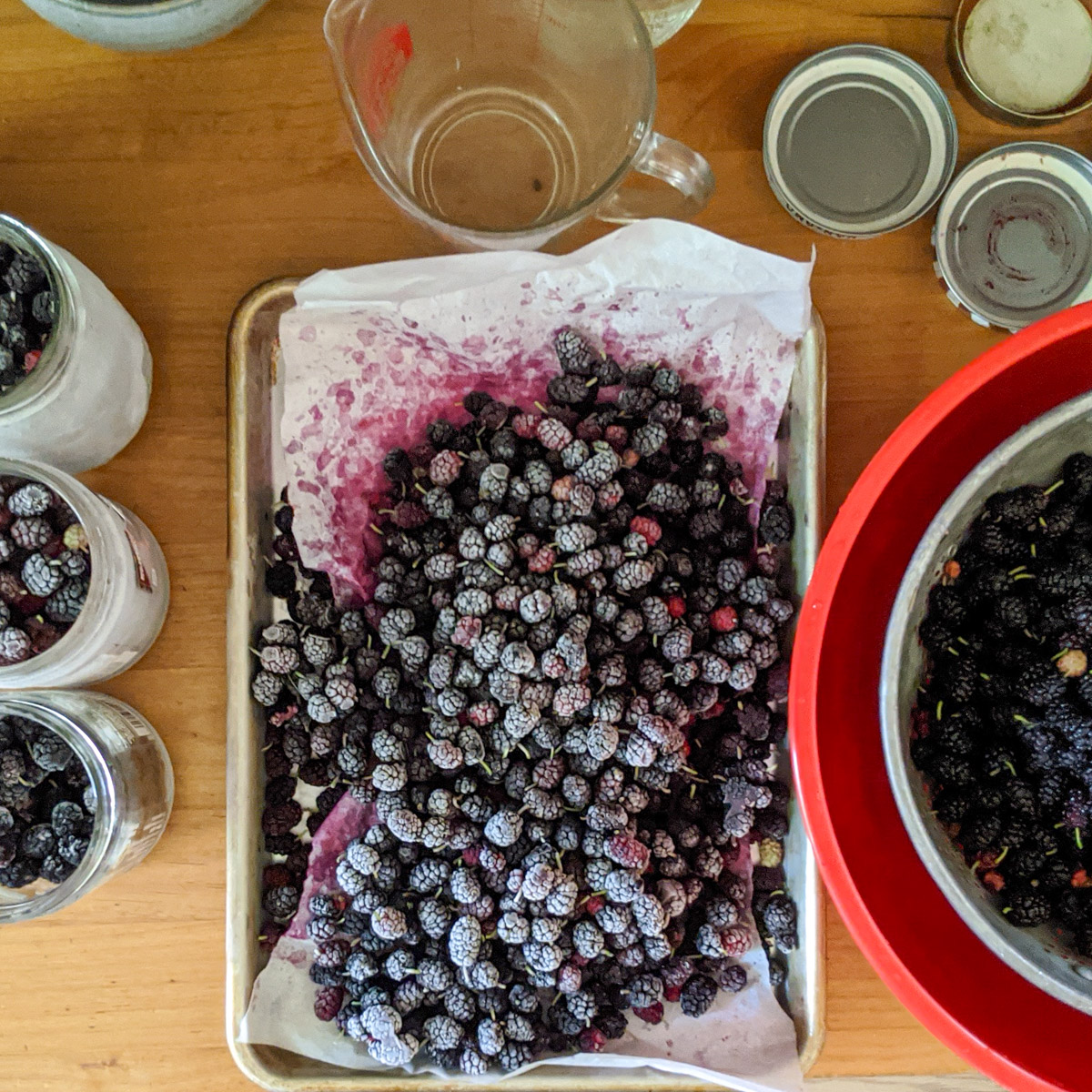
Prepare Baking Sheets: Line large baking sheets with parchment paper or wax paper.
2.
Single Layer Spread: Spread the sweetened berries in a single layer on the prepared baking sheets, ensuring they don't touch each other. This is essential for proper flash freezing.
3.
Freeze Until Solid: Place the baking sheets in your freezer. Allow the berries to freeze solid, which typically takes 2-4 hours, depending on the size of the berries and the power of your freezer.
The Long-Term Storage Solution
Once your berries are individually flash-frozen, it's time to prepare them for long-term storage.
1.
Transfer to Containers: Carefully transfer the solid, frozen berries from the baking sheets into freezer-safe bags or rigid containers.
2.
Remove Air: Air is the enemy of frozen food, causing freezer burn. If you have a vacuum sealer, this is the ideal tool for removing air from bags. If not, tightly pack the berries into freezer bags and press out as much air as possible before sealing. For containers, fill them to the top to minimize air pockets.
3.
Dedicated Storage: Always use plastic freezer bags or containers specifically designed for freezing. Using containers dedicated solely to berries can also help prevent flavor transfer from other foods in your freezer.
4.
Label and Date: Don't skip this step! Label each bag or container with the type of berry, the date it was frozen, and potentially the type of sweetener used. This helps you track freshness and ensures you use the oldest berries first.
For specific freezing methods tailored to different types of berries, including those that might need a different approach, delve into our detailed guide:
Freeze Berries Right: Tailored Methods for Every Berry Type.
Maximizing Shelf Life and Enjoying Your Frozen Bounty
With proper preparation and storage, your sweetened frozen berries can maintain their quality for 8 to 12 months. Beyond this timeframe, they might still be safe to eat, but their flavor and texture could start to degrade. A good quality freezer and consistent temperature are key to maximizing their shelf life.
The beauty of having a stash of frozen, sweetened berries is their incredible versatility. Here are just a few ideas for enjoying your preserved summer flavor:
*
Smoothies: The most obvious choice! Use them directly from the freezer for a thick, frosty drink.
*
Baked Goods: Incorporate them into muffins, scones, pies, crumbles, and cobblers. For pies and crumbles, you can often add them directly from frozen.
*
Sauces and Syrups: Simmer them with a little water or lemon juice to create a delicious topping for pancakes, waffles, yogurt, or ice cream.
*
Jams and Jellies: While they won't be as "fresh" as newly picked berries, sweetened frozen berries are excellent for making homemade jams and jellies out of season.
*
Desserts: Thaw them slightly and serve over cheesecake, panna cotta, or alongside a scoop of vanilla ice cream.
When using your frozen berries, for most applications, it's often best to use them straight from the freezer. If a recipe requires thawed berries, simply place them in a bowl in the refrigerator for several hours or overnight. Be prepared for some liquid as they thaw, especially if they have a high water content; this can often be used in your recipe or drained off.
Conclusion
Freezing berries with sweetener is a simple yet incredibly effective method to capture the essence of summer and enjoy it throughout the year. By carefully selecting your berries, employing the "no-wash" rule for delicate varieties, strategically adding sweetener to preserve texture and flavor, and utilizing the flash freeze technique, you can build a vibrant reserve of nature's candy. This isn't just about preserving fruit; it's about preserving memories, ensuring that the bright, sweet, and juicy taste of summer is always at your fingertips, ready to brighten any dish or moment, no matter the season. So, go ahead – lock in that summer flavor and savor the sweet rewards!