Never Wash Berries Before Freezing: Pro Tips for Perfect Preserving
There’s nothing quite like the taste of a fresh, sun-ripened berry, bursting with sweet and tart flavor. But what if you could capture that summer essence and enjoy it all year long? Freezing berries is the ultimate hack for preserving their deliciousness, ensuring you have a steady supply for smoothies, desserts, cereals, and more. However, achieving perfectly preserved berries isn't as simple as tossing them into a freezer bag. There's a golden rule many overlook, and mastering it is key to avoiding a watery, mushy mess: never wash berries before freezing them.
This comprehensive guide will walk you through the expert techniques for freezing berries, from selection to storage, ensuring every berry you pull from the freezer is as close to fresh as possible. Get ready to savor the taste of summer, no matter the season!
The Golden Rule: Why Washing Before Freezing is a No-Go
It might seem counterintuitive. Our instincts tell us to clean fresh produce before storing it. But when it comes to berries, especially those with high water content like raspberries and strawberries, washing them before freezing can lead to disaster. Here's why:
- Ice Crystal Formation: Berries naturally contain a lot of water. When you wash them, you introduce even more surface moisture. This extra water turns into ice crystals during freezing. As ice expands, these crystals puncture the berry's delicate cell walls.
- Mushy Meltdown: When you eventually thaw these berries, the compromised cell walls can't hold their structure, resulting in a soft, mushy texture and a watery puddle. The vibrant taste can also become diluted.
- Flavor Dilution: Excess water on the surface can also wash away some of the natural sugars and volatile compounds that give berries their distinctive flavor, leaving you with a less intense taste experience.
So, what's the alternative if your berries aren't pristine? If they're particularly dusty or have a bit of garden soil, a gentle wipe with a dry cloth is often sufficient. For anything more substantial, a very quick, light rinse under cool water followed by immediate and thorough patting dry with paper towels is acceptable, but only if absolutely necessary. The goal is to ensure the berries are as dry as possible before they hit the freezer.
Selecting the Perfect Berries for Freezing
The quality of your frozen berries starts with the quality of your fresh ones. Not all berries are created equal, and choosing wisely will make a significant difference in your preserved bounty.
- Look for Peak Freshness: Select berries that are plump, firm, and vibrantly colored. They should smell fresh and fruity, not sour or moldy. Avoid any that are soft, wrinkled, bruised, or show signs of mold.
- Size Matters (Sometimes): While bigger isn't always better, aiming for medium-sized berries (roughly 3/4 to 1 inch in diameter) is often ideal for consistent freezing and thawing. These tend to have a good balance of flavor and texture.
- Harvest at the Right Time: If you're picking your own, harvest berries at their peak ripeness. They won't ripen further once picked or frozen, so choose them when they're at their sweetest and most flavorful.
Remember, freezing is about locking in freshness, not improving quality. If you start with subpar berries, you'll end up with subpar frozen berries.
Tailoring Your Freezing Method: A Berry-by-Berry Approach
While the "no wash" rule is universal, the best approach to freezing berries right can vary slightly depending on the type. Each berry has its unique characteristics that dictate the optimal preparation.
Freezing Whole Berries (Most Common Method)
This is the go-to method for most berry varieties, including blueberries, raspberries, blackberries, and strawberries (when cut). It's simple and preserves the individual berry structure.
- Prepare & Dry: As emphasized, ensure berries are dry. For strawberries, gently remove the green caps (hulls) and slice larger ones into halves or quarters for better freezing and thawing.
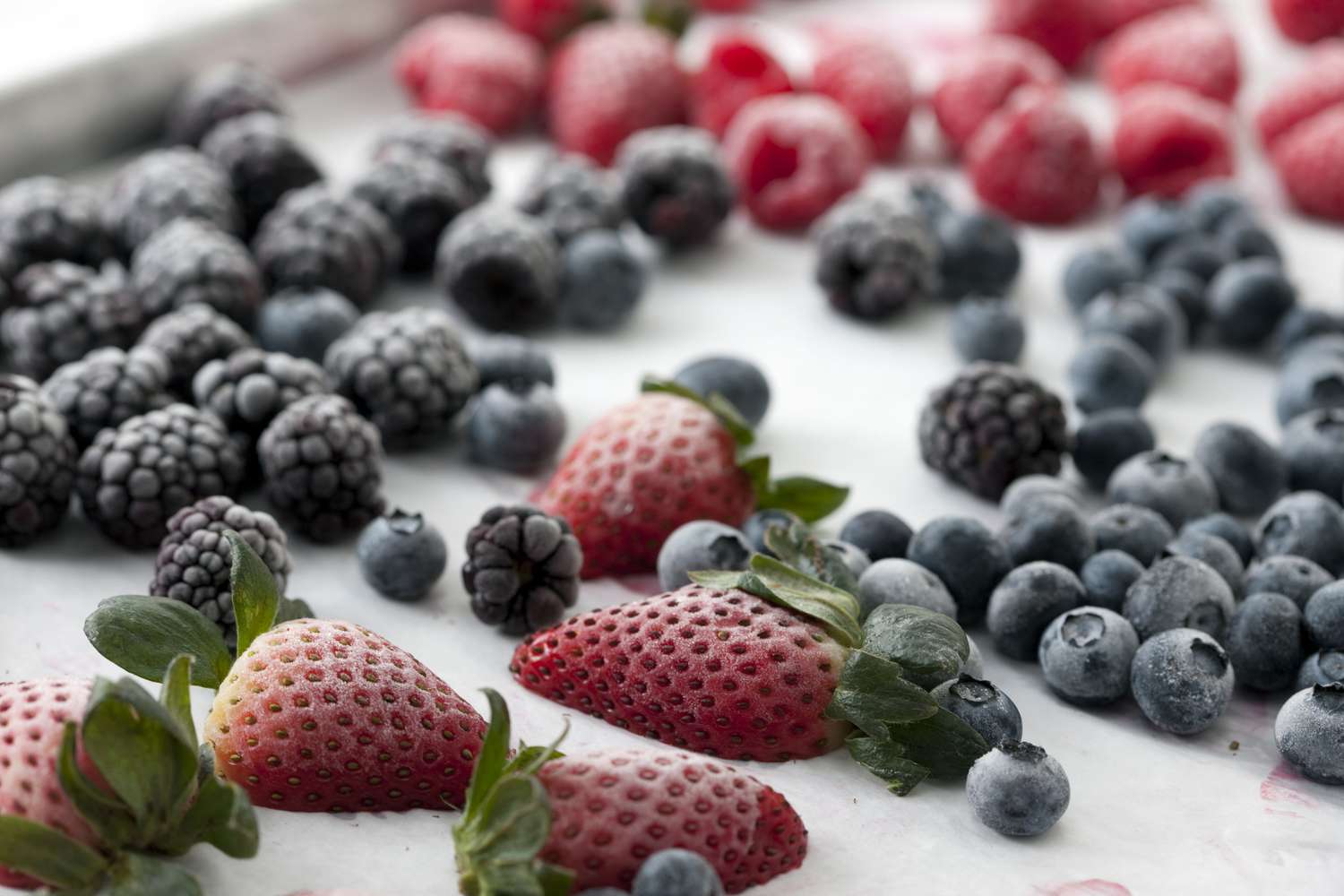
- Single Layer Flash Freeze: Arrange the berries in a single layer on a baking sheet lined with parchment paper or wax paper. This prevents them from clumping together.
- Freeze Until Solid: Place the baking sheet in your freezer for 2-4 hours, or until the berries are completely solid. This "flash-freezing" step is crucial for maintaining individual berry integrity.
- Transfer to Storage: Once frozen, quickly transfer the berries into dedicated freezer bags or airtight containers. This rapid transfer minimizes thawing and refreezing, which can degrade quality.
Special Considerations for Certain Berries:
- High Water Content (Raspberries, Strawberries): These are most susceptible to mushiness if washed. Stick strictly to the dry wiping/rinsing and patting dry rule. Flash freezing is essential.
- Berries with Inedible or Tough Skins (Cranberries, some Blackberries): While the reference suggests avoiding freezing whole for tough skins, it's common practice to freeze cranberries whole for sauces and baking. For blackberries, they are also frequently frozen whole. The issue of tough skins post-thawing is primarily a textural one, which often resolves during cooking. If you're concerned about texture for a specific use (e.g., eating raw thawed berries), you might consider gently crushing or pureeing these before freezing. For most applications like smoothies, pies, or jams, freezing them whole, unwashed, and flash-frozen is perfectly fine.
- Berries with Many Seeds: If you plan to use berries like blackberries or raspberries for purées, jams, or sauces where seeds are undesirable, you might consider gently crushing them and pressing through a sieve to remove seeds before freezing the pulp. However, for most uses, freezing whole is preferred.
The Freezing Process: From Tray to Bag
Beyond the initial preparation, the actual freezing and storage methods play a critical role in how well your berries retain their quality over time.
Step-by-Step Freezing for Longevity:
- The Flash Freeze (As detailed above): This step cannot be overstated. It ensures that when you later transfer them to a bag, they remain individual berries that are easy to portion out, rather than a giant, unyielding block.
- Optimize Storage Containers: The best way to store berries for long-term freshness is to use high-quality freezer bags or airtight, freezer-safe containers.
- Remove Air for Maximum Preservation: Air is the enemy of frozen food, leading to freezer burn and degraded flavor.
- Vacuum Sealer: If you have access to a vacuum sealer, this is the gold standard for removing virtually all air. It significantly extends the shelf life and preserves quality.
- Manual Air Removal: If you don't have a vacuum sealer, tightly pack your flash-frozen berries into freezer bags. Press out as much air as possible before sealing. You can do this by submerging the bag (with the seal almost closed) into a bowl of water, letting the water pressure push out the air, then fully sealing.
- Dedicated Storage: To prevent flavor transfer, it's wise to use plastic freezer bags or containers solely dedicated to freezing berries. This ensures your raspberries don't end up tasting like last week's frozen garlic bread!
- Label and Date: Always label your bags or containers with the type of berry and the date of freezing. Frozen berries typically maintain their peak quality for 6-12 months.
Maximizing Freshness: Sweeteners and Storage
While the primary goal of freezing is to lock in natural freshness, you can take an extra step to enhance flavor and texture preservation, especially for certain uses. This involves the strategic addition of sweeteners.
The Role of Sweeteners
Adding sugar or another type of sweetener to your berries before freezing isn't strictly necessary, but it can prevent them from becoming dry and tasteless once thawed, particularly if they have a slightly lower sugar content to begin with or are destined for specific dessert applications. The sugar helps to draw out some of the berry's moisture and creates a syrup that protects the fruit cells from freezer damage. This method is often preferred for berries intended for pies, jams, or sauces where extra sweetness is welcome.
For a deeper dive into this technique and how to apply it effectively, check out our guide on Lock in Summer Flavor: The Secret to Freezing Berries with Sweetener.
Tips for Thawing and Using Your Frozen Berries
- Gradual Thawing: For best results, thaw berries slowly in the refrigerator overnight. This minimizes cell damage and prevents them from becoming too mushy.
- Direct Use: For smoothies, baking, or cooking, you can often use berries directly from the freezer without thawing.
- Expect Texture Changes: While our methods aim for perfection, remember that freezing always alters the texture of delicate fruits somewhat. Frozen berries might be softer than fresh ones, but their flavor should remain robust.
Freezing berries is a simple yet incredibly rewarding way to extend the joy of fresh produce. By following these pro tips, especially the crucial "no wash" rule and the flash-freezing technique, you'll be able to enjoy the vibrant taste and nutritional benefits of berries all year round. So go ahead, stock up on those summer beauties, and get ready to transform your freezer into a treasure trove of seasonal goodness!
